

South Pacific · Costa Rica
Drake Bay
Remote paradise on the Osa Peninsula
About Drake Bay
Drake Bay (Bahia Drake) sits on the northern coast of the Osa Peninsula, accessible only by boat from Sierpe or by small plane. Named after Sir Francis Drake, who reportedly anchored here in 1579, the bay is surrounded by primary rainforest and offers some of the most pristine natural scenery in Costa Rica.
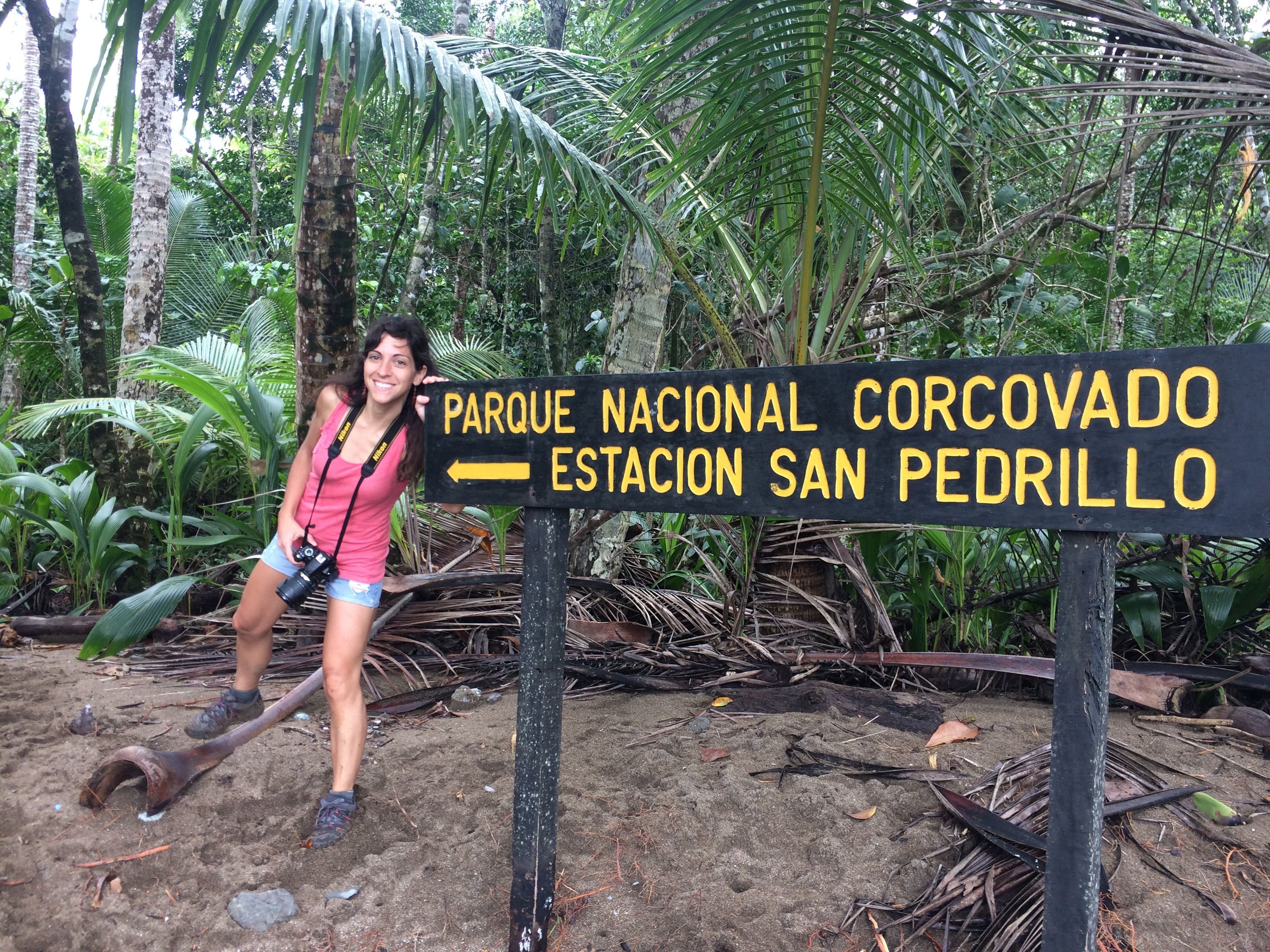
Drake Bay serves as the northern gateway to Corcovado National Park and the main departure point for Cano Island Biological Reserve — one of the top snorkeling and diving sites in Costa Rica. The bay itself is a prime spot for whale and dolphin watching, with humpback whales present for much of the year.
Highlights
- Cano Island Biological Reserve (snorkeling & diving)
- Corcovado National Park access
- Humpback whale & dolphin watching
- Night tours (bioluminescence)
- Jungle lodges & eco-camps
- Pristine beaches & primary forest
Getting there & around
Drake Bay is reached by small plane from San Jose (45 minutes) or by road to Sierpe followed by a 1-hour boat ride. Most lodges arrange transfers from Sierpe. There are no roads within Drake Bay — everything is on foot or by boat.
View transport optionsHow long to stay
3–4 nights is ideal for Drake Bay. The remoteness rewards staying — day trips to Corcovado, snorkeling at Isla del Caño, and dolphin watching fill 3 full days without feeling rushed.
Best season
The dry season (December–April) offers calmer seas for boat trips and better snorkeling visibility at Isla del Caño. The wet season brings lush jungle and fewer visitors, but some boat tours may be cancelled in rough weather.
Combine with
Drake Bay is the natural gateway to Corcovado (1 hr by boat). Uvita is 2 hours north by road (or 1 hr by boat to Puerto Jimenez, then road). Most visitors combine Drake Bay with Corcovado as part of a South Pacific circuit.
Travel tips
- Book your lodge and Cano Island tours well in advance — Drake Bay has limited capacity.
- The boat from Sierpe can be rough in the wet season — take motion sickness medication if needed.
- Cano Island tours are best in the dry season (December–April) for visibility.
- Bring cash — there are no ATMs in Drake Bay.
- Night tours for bioluminescence are a unique experience — ask your lodge to arrange one.
Tips by traveler type
Eco-travelers
Drake Bay has no paved roads — the remote, off-grid atmosphere is part of the appeal. Most lodges are all-inclusive; bring cash as ATMs are scarce.
Divers & snorkelers
Isla del Caño Biological Reserve (45 min by boat) is one of the best snorkeling and diving sites in Costa Rica — hammerhead sharks, rays, and sea turtles are common.
Wildlife watchers
Dolphins are almost guaranteed on the boat ride to Isla del Caño. Humpback whales are present July–October and December–April. Scarlet macaws are seen daily around the lodges.
Frequently asked questions
Explore more destinations
 South Pacific
Osa / Corcovado
Corcovado National Park — jaguars, tapirs, scarlet macaws, and pristine primary rainforest.
 South Pacific
Uvita
Marino Ballena National Park, the iconic whale tail sandbar, and year-round whale watching.
 South Pacific
Dominical
Powerful surf, dramatic waterfalls, and wildlife sanctuaries where mountains meet the sea.
 Central Pacific
Manuel Antonio
Costa Rica's most visited national park — white-sand beaches and abundant wildlife.
 Caribbean Coast
Tortuguero
Accessible only by boat or plane — a remote jungle paradise and sea turtle nesting site.
 South Caribbean
Cahuita
Small Caribbean village with one of Costa Rica's most important coral reef systems.
Planning a trip to Costa Rica?
Tell us your dates, interests, and travel style — we will design a complete itinerary just for you.